
Related articles
Read more




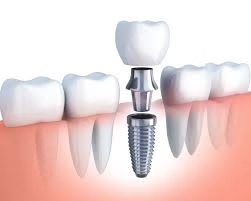
Dental implants, one of the best long-term solutions for missing teeth. However, if you have gum disease some preparatory treatment is a must before moving forward. Hence, being aware of these three steps is the key to affective working and the long-lasting effect of your dental implants.
Periodontal disease, which people call gum disease, makes the base parts of the chewing organs less strong because gum disease harms the pink mouth flesh and the hard bone. Experts claim that the artificial tooth root will fail if gum disease is not given medicine by a medical professional. Since gum disease causes damage, the most important stage is providing medicine to the sickness immediately. Strong washing methods like scaling and root planing are frequently suggested so that tiny germs are taken away from under the gum line by the medical professionals. Cutting help for the pink mouth flesh might be required when gum disease reaches very heavy levels.
Individuals who want dental implant for severe gum infection must ensure the gum disease is stopped before the artificial tooth root is put into the mouth. Many people believe that bone adding work should be suggested by medical professionals for chewing organs when gum disease has made the hard jaw parts smaller. The bone adding work makes the face bone again so that a strong base is given for the artificial tooth root.
Where a tooth has had a root canal treatment and is now failing, a Dental Implant for failing root canal makes for an excellent replacement. The affected tooth is extracted and, after a period for healing and confirming no infection, the implant replaces the tooth to restore function and aesthetics.
A dental implant, on the other hand, is a man-made tooth replacement that is well designed to fit in your mouth and should not need root treatment. The answer is no. Dental implants are man-made tooth roots, usually made of titanium, and lack nerves or pulp which necessitate root canal treatment.
If you are seeking a better solution for a person with gum disease than dentures, they provide far greater stability and comfort. Unlike regular dentures, implants fuse to the jaw allowing it to maintain its form and enhancing chewing ability.
Experts claim that many individuals question if Dental implants can be placed when gum tissue is decreasing. A positive answer exists, although extra medical activities like gum grafting are often necessary for the individual seeking medical care. Gum tissue is restored by this specific procedure so that the stability and visual appeal of the Dental implants are maintained. Because advanced diagnostic tools are available,
individuals who look for Dental implants in Muscat receive personalized treatment plans from oral health experts. Cosmetic Dentistry in Muscat is provided by numerous medical facilities because these medical facilities want to achieve a healthy function and an attractive appearance at the same time.
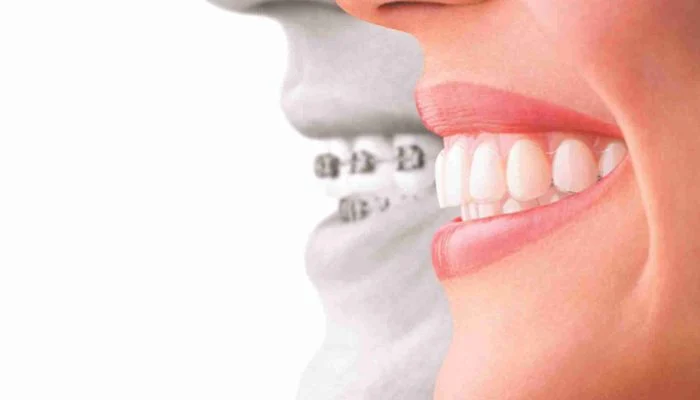
Aside from implants, procedures such as Clear Aligners straighten up the teeth and get you in for implant placements sooner or after implant placement keeping your buccal cavity well put together.
So while gum disease is an issue it does not write off dental implants. With adequate preparatory treatments and professional care, you can get a strong confident smile that lasts for years.